Here at Authentic Aesthetics we don’t just provide our patients with treatments, we believe in also educating our patients on their skin conditions so they have a greater understanding of how the treatments work and how to manage their conditions afterwards.
Acne is a skin condition that affects the majority of the population at some point in their lives in varying degrees of severity. Characterised by congestion, redness and white pustules, acne most commonly affects the face but can also develop on the back and chest.
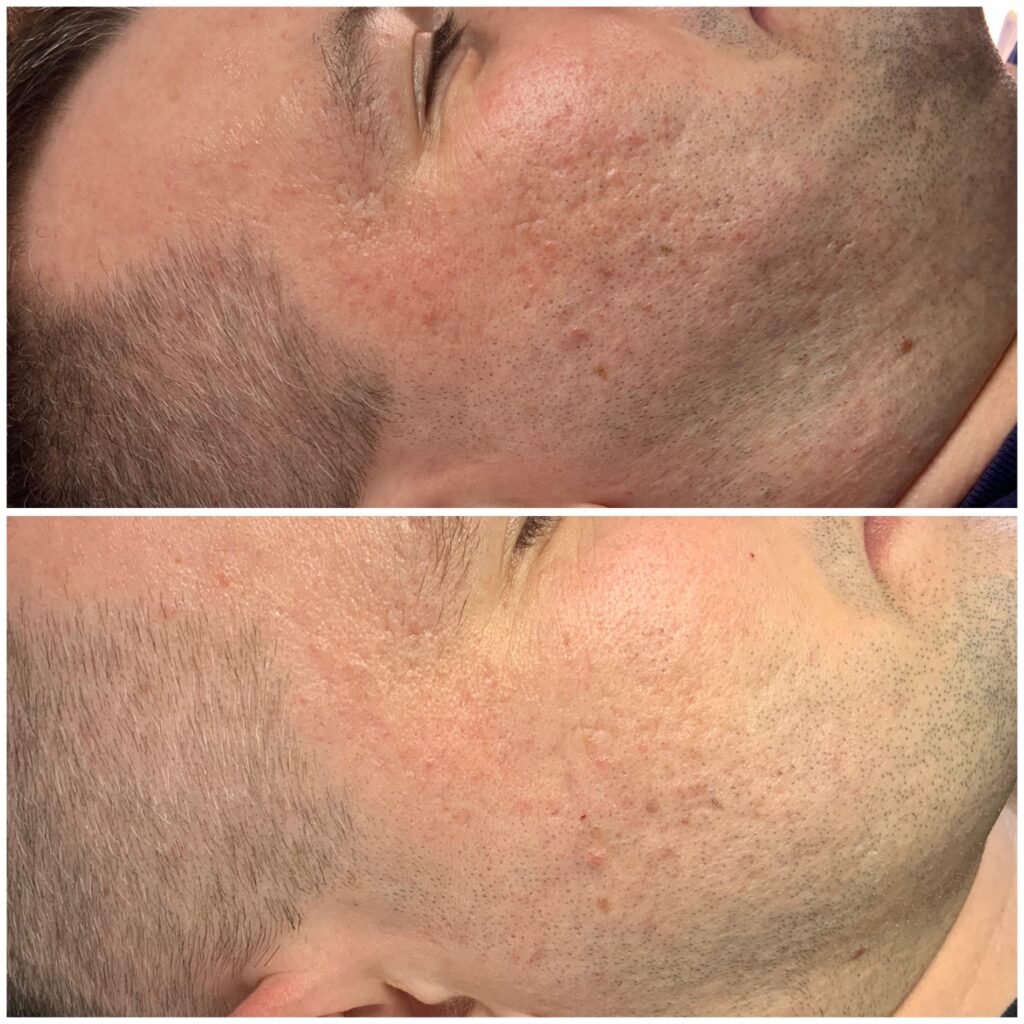
Acne scarring is common in skins that have suffered with acne. Scarring is most commonly caused by sufferers squeezing their spots at home or picking scabs which results in their skin scarring.
Ageing causes a gradual decrease in collagen, elastin, and hydration production, leading to the formation of static lines in the skin. Factors such as sun exposure, stress, and lifestyle habits can accelerate this process.
Back acne is common in people already suffering with acne and is generally worse in men but can also affect women. The sebaceous (oil producing) glands are over stimulated causing bacteria to build up resulting in spot formation.
Blackheads are pores that have been clogged with oil or dirt. They are not naturally black, they oxidise the longer they are exposed to the air causing them to appear black. They are classified as a mild form of acne, however all skin types are susceptible to them.
Scarring is a natural part of the skin’s healing process. When the skin is damaged, collagen is laid down to repair it, which can create visible differences in texture, color, or elevation. Genetics, wound care, and the nature of the injury all influence the final appearance.
Dark circles are characterised as dark purple or pigmented skin around the eyes, especially the under eye. They can be exacerbated by lines, wrinkles and thinning skin.
Ageing and pigmentation on the décolletage occur due to the skin’s thin, delicate nature combined with cumulative sun exposure and environmental stressors. This can lead to fine lines, uneven texture, and dark spots, making the area look older than the face.
Slower skin cell turnover is a major contributor to dry skin. When old cells aren’t shed efficiently, the skin can feel rough and dehydrated. Age-related decreases in hydration and lipid production, along with sun exposure and lifestyle factors, make dryness more noticeable over time.
One of the key reasons for dull skin is a slower skin renewal cycle. With age, the rate of cell turnover decreases, causing dead skin cells to accumulate on the surface. This, along with reduced collagen, elastin, and hydration, and the impact of sun and lifestyle habits, contributes to a tired, uneven complexion.
Eczema is a skin condition that causes patches of inflamed, itchy, red, cracked, and rough skin. Symptoms can vary, depending on age. Eczema most commonly develops before the age of 5 with dry and scaly patches visible on the skin that are very itchy. This can continue to develop into adolescence; however symptoms are often different to those experienced by children.
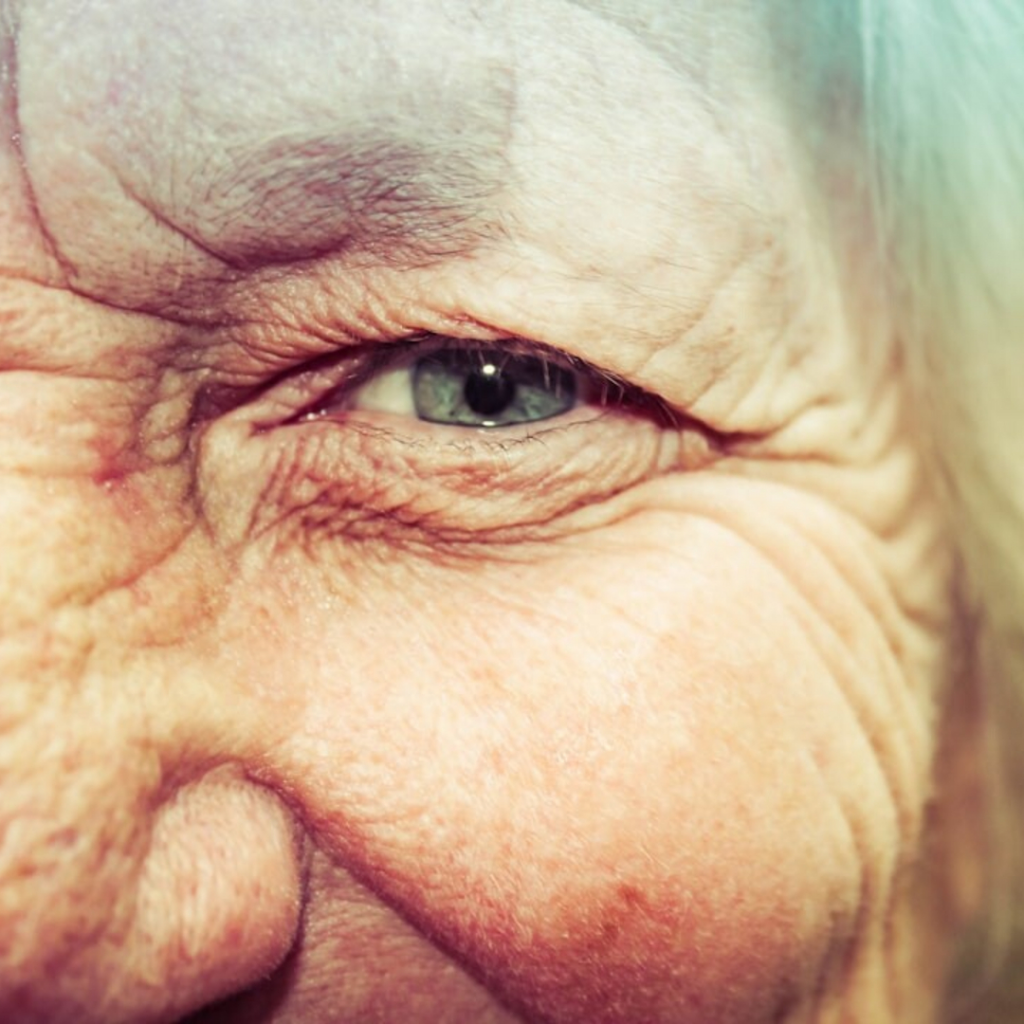
Wrinkles around the eyes are a common sign of ageing. They develop as the skin loses collagen, elastin, and hydration, and are further influenced by repeated facial movements, sun exposure, and lifestyle factors.
The hands are one of the first areas to show signs of ageing due to a natural decline in collagen, elastin, and hydration. Combined with frequent UV exposure and daily environmental stress, this can result in thinning skin, loss of volume, and the development of fine lines and pigmentation.
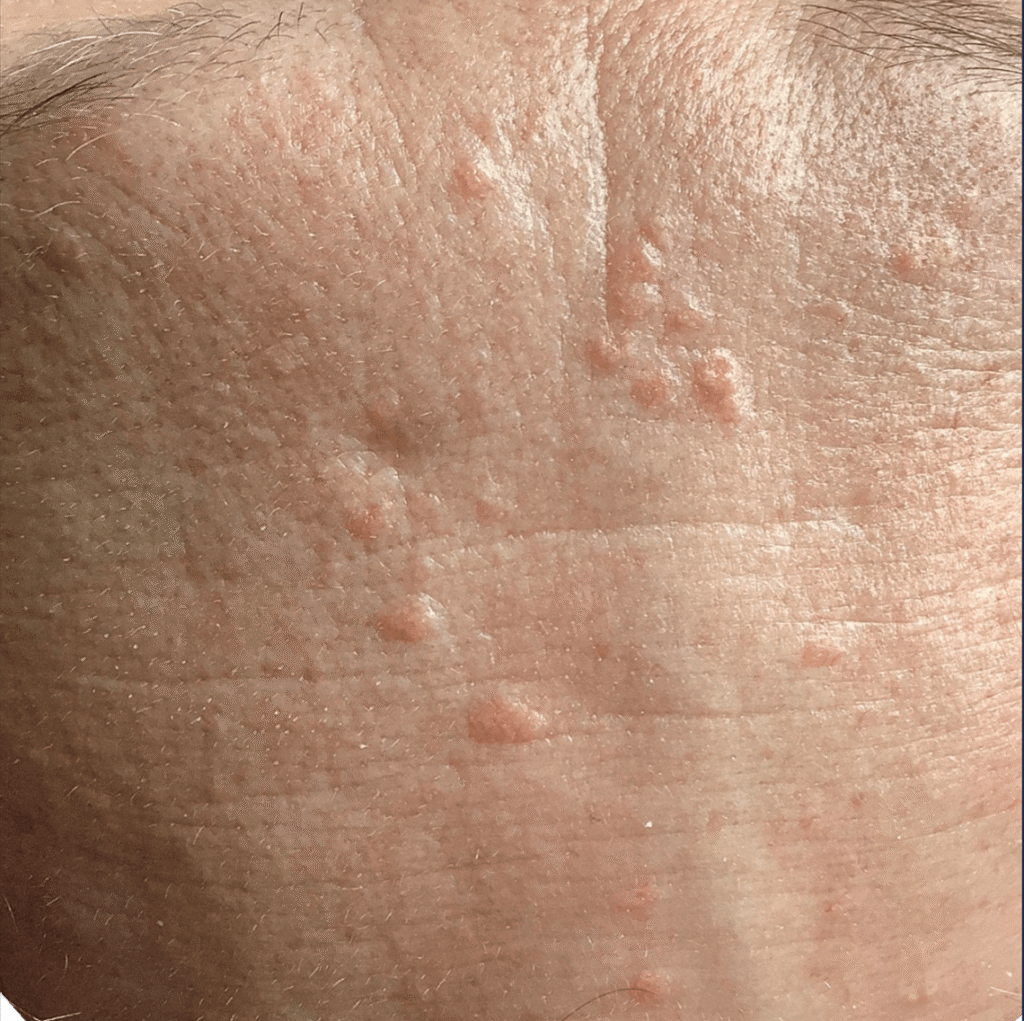
Milia are small hard lumps found on the skin. They form when keratin (skin cells) become trapped under the skin. They cannot be removed simply by squeezing as they are too hard to pop.
Excess oil production, or oily skin, results from overactive sebaceous glands. While sebum is essential for protecting and hydrating the skin, too much can lead to shine, clogged pores, and acne. Hormones, diet, and environmental stressors can all play a role.
Psoriasis is a skin condition that causes red, flaky, crusty patches of skin. These patches normally appear on your elbows, knees, hands and lower back, but can appear anywhere on your body. Psoriasis is known to affect around 2% of the UK population.
Rosacea is a long-term skin condition that results in facial redness, visible blood vessels, and occasional pimples or bumps. It can be aggravated by environmental triggers, lifestyle factors, and certain foods or drinks, making careful management important.
Seborrheic keratosis are common noncancerous skin growths. People tend to get more as they age. Seborrheic keratosis are usually brown or black. They appear waxy, scaly and slightly raised. They usually appear on the head, neck, chest or back. They are harmless and not contagious.
Skin laxity refers to the loss of skin elasticity and firmness that occurs as a natural part of the aging process. One of the most common areas where skin laxity is noticeable is in the lower face, particularly in the area around the jawline, which can lead to the formation of jowls.
Skin tags are small, soft, skin-coloured growths on the skin. They typically occur in areas where skin friction is common including the underarms, inner thighs, eyelids and neck.
Stretch marks are long, narrow streaks or lines that develop on the skin when it is stretched or pulled beyond its normal limit. They can appear as reddish, purple, or brownish streaks when they first form, and then fade over time to a lighter color that is similar to the surrounding skin.
Thread veins are small capillaries (veins) which can appear on the face, neck, chest and legs. On the face, they are often a result of tiny blood vessels bursting which can be caused by increased pressure or sun damage.
Vellus hair (also known as peach fuzz) is found all over your body and is typically very fine and light. It is different to terminal hair which is found on top of the head, underarms and pubic area.
Xanthelasma are characterised as soft, yellowish, fatty deposits that form under the skin around the eyes. They are not harmful but can be an indicator of cholesterol issues so always get this checked by a doctor.
Vellus hair (also known as peach fuzz) is found all over your body and is typically very fine and light. It is different to terminal hair which is found on top of the head, underarms and pubic area. Some people may find that this vellus hair is darker or longer and more visible in sunlight or when applying make-up. You cannot prevent vellus hair from growing as it is found all over the body apart from the palms of the hands and soles of the feet.